This place helped save my life more than once. If you need help this is where it's at !
Very professional amazing and caring staff members
Walk inside welcome trained individuals to handle extreme PTSD & Borderline Personality Disorders. Futures program for my kids are wonderful as well.
As long as your willing to work the programs and want help Truman Resources are available.
Very friendly staff but the appointment center is highly unorganized. Usually you will have to wait a few weeks to even months to get an appointment and there has been a few occasions where I get my son out of school for an appointment only …
Very unprofessional.
My last few online/telephone visits were unacceptably late by the doctor (30+ …
Writing this on behalf of a friend. This place does not live laugh or love. Gloria was EXTREMELY rude. Maxx and jamario were really nice. Overall HORRIBLE EXPERIENCE. 6/10 � …
As a business you all need to have people there to get the phone because when we as a supported to these consumer to help them because they can not make good choices and we need your case worker call text or write to the supporting people in the place that they come to and go to please look in to fixing this
Dangerous patient care. My teen was seen here for over two years. The clinic has Drs completing their rotations and practicing under full psychiatrists which is great! …
Love the team tomas peer support and Jennifer taylor as well as Dan who over sees case management. The psychiatry department is completely disorganized uncompasionate and don't listen to what you have to say. They don't properly take …
Great place great people. Don't even bother trying to call. It seems as if they deliberately misroute your call to a dumping line of eternal ringing. When you call back and tell them what happened they act as if you're being sent somehere …
I am very mixed up by what the professionals are suppose to do. The psychialtrist prescribed meds. w/o even hearing what your problem is. Nurse practitioner is great one day and will not give you the time of day the next. The counselor is very weak minded and says very little.. I need someone strong to get rough with me.
I really think they need to change there protocol make things quicker. The pharmacy and Truman need to work out a different system on vouchers.
Would love to give 5 stars but I can't ever get an actual human being on the phone to schedule my next appointment. When I did they scheduled me for The 31st which is a Sunday....They aren't even open. I really loved seeing Dr Ganta but I …
I love this place they have helped tremendously in my journey to healing.
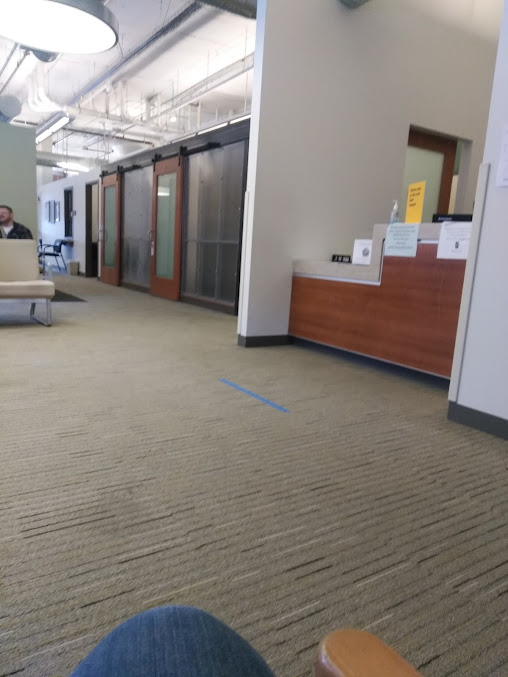
I was treated really well. The office was really busy and I was surprised to only have to wait about 5 minutes. Dr. Cao was excellent and talking with him was very pleasant. He kept reiterating that I was in control of my treatment and …
I've been coming here for a couple of years now but for some reason today irked me a bit. It could be because of the lack of medication or maybe because it's hot outside. I had my support dog with me today for the first time in a LONG …
Please get more regular permanent psychiatrists for the severe trauma clients and get rid of all of the resident doctors.
Well I'ma hoping it really helps out my bf
Extremely hard working knowledgeable and friendly staff! They know me by my first name and are always very personable when I pick up prescriptions.
Gave me life again. The staff is wonderful!
I changed my opinion on this place the people here really are incredible and they care. I felt turned away but was actually welcomed with open arms. If you're struggling with addiction there's hope and this place will help you without judgement. This place and the people are a God send!
I got exactly what I came for Dr. Patel was excellent with my family and made suggestions on what to do to make things better. The office was clean and free from any disruptions. I appreciated that very much!
I thought of going last night. Talked with a friend on how I've been seeking up and tried! Swopeparkway don't help 2003 been trying. While on the phone with my friend I was reading and told her what I was reading . She Co signed the …
Absolutely awful experience. Waited for 2 hours for initial intake set my appointment 10 weeks out when I saw the psychiatrist she tried to put me on an antidepressant for my ADHD and refused to prescribe me adderol which I've been on for over 2 months now. Would never recommended going here for actual medical help.
I called a week before my medication was due so there wouldn’t be any delays. I have a stent in my descending aorta from a traumatic injury & a family history of cardiovascular related death so I’m very aware of how medications can impact …
I have never had a worse experience and this was only dealing with the administrative side of things! I can't comment on the doctors but the front desk is a mess. I have attempted to come twice for my child for the futures program. The …
I started going there Feburary. After my first appointment they sent me a over $500 bill. I called billing twice and they said they would send a revised bill. Months pass and I see nothing and since Covid started I didnt know how to pay …
I use to love the place but today was awful. First I wasted bus fare going over there only to fine out my doc quit. I didn't even get to say good bye to her. This REALLY upset me. Then the staff got all smart with me like it my fault. GET …
I was a Truman Medical Center employee at the time that I had called Truman's BH because I had their insurance and I thought that maybe it would be easier for me to get an appointment to start seeking some counseling. Once I called to do my …
I wish I could give 0 stars. I just got out of an involuntary 96 hour hold. While I was there they force fed me benzos until I didn’t even know my own name. When I came to my senses and tried to refuse the medication they threatened to …
If I could post no stars I would.
They are the worst would not recommend them for any service!
Leaving the on behalf of a friend - this friend went through a class and intake then left 5 voicemails trying to get an appointment with a therapist. Not one was returned. You should feel ashamed - when someone reaches out for help you don’t make them beg for it. Return the freaking call.
Need optional cab and rider fare
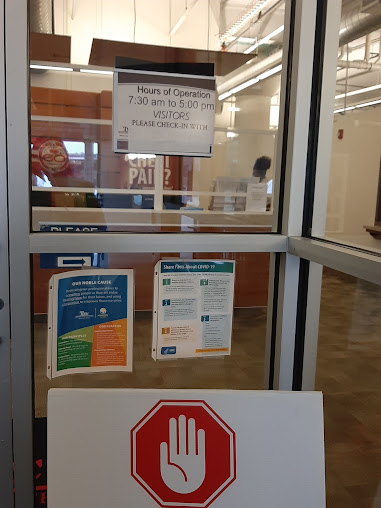
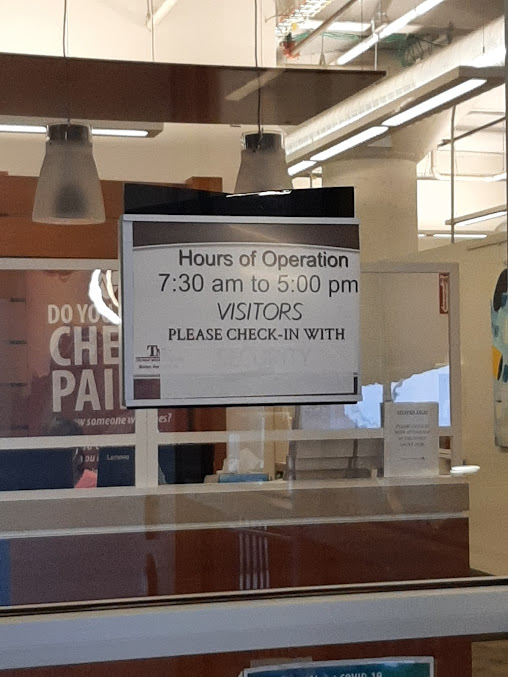
Sign and website says 7:30 but they won't let you in til 8! Two "workers" just standing. People need help out here!! As far as resources go y'all need to step it up.
The psychiatrists there don’t even listen to your request or medical records before making up their own minds on what to prescribe. I would not recommend if seeking advice from real doctors.
They didn’t believe a single thing that I told them. They told me the entire time they were seeking to help me with my ptsd and then diagnosed me with something completely different and didn’t tell me until it was time for me to walk out …
They should be ashamed of themselves. I see why there are so many under medicated mental health patients. Dr. Clement and the Nigerian doctor suck! They don't listen to legit concern voiced by family and friends about the change in patients …
This place is a hazard to your health. There is mold everywhere.
This place is absolute trash. Trying to get a hold of anyone on the phone is awful. During the whole process of trying to get my son help for school they literally did nothing. I wouldn't recommend this place to anyone out at. The way they …
This sounds like help. But I can tell you after 5 years of suboxon. The withdrawal is brutal…my daughter is suffering terribly!!!! Her stomach burns like fire! 5 years and they don’t care about that!!!!!! The answer to them is more suboxon. …