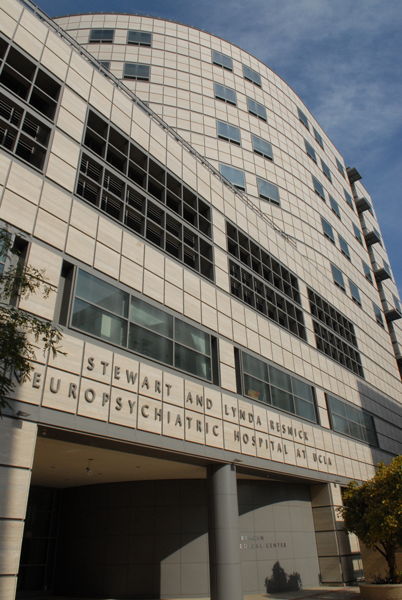
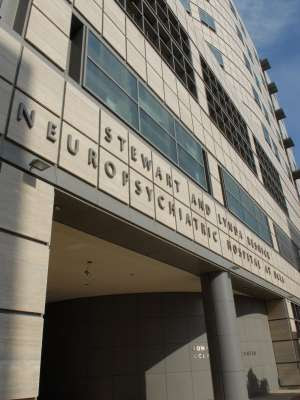
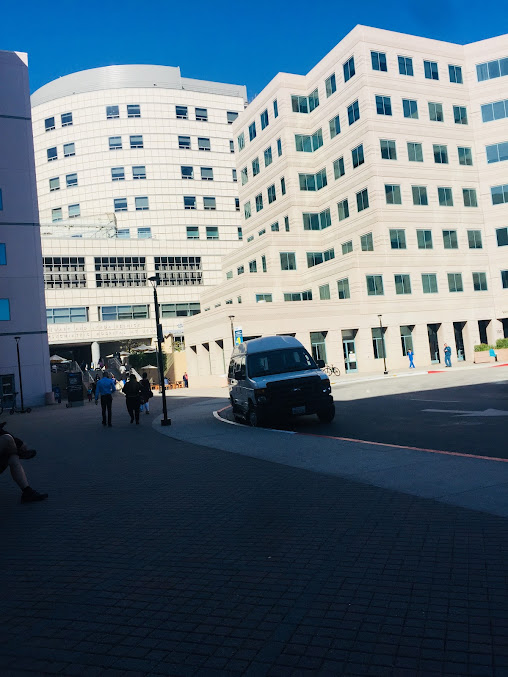
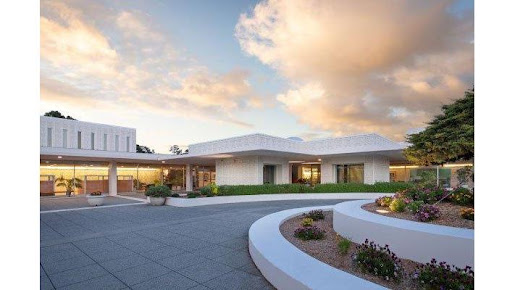
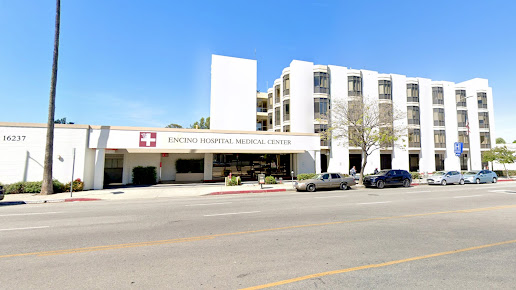
Stewart and Lynda Resnick Neuropsychiatric Hospital at UCLA (CA)
Stewart and Lynda Resnick Neuropsychiatric Hospital at UCLA, in Los Angeles, is dedicated to providing a broad range of services, from detoxification to mental health treatment, and care for co-occurring disorders. They are committed to helping adults, children/adolescents, and seniors navigate their recovery journey by providing a detoxification program, mental health therapy, and comprehensive care for those with co-occurring disorders. They offer a variety of payment methods including county or local government funds, medicare, medicaid, federal military insurance (e.g., tricare), other state funds, private health insurance, private or community foundation, state corrections or juvenile justice funds, cash or self-payment, state-financed health insurance plan other than medicaid, state mental health agency (or equivalent) funds, state welfare or child and family services funds, and u.s. department of va funds for their services. The staff at Stewart and Lynda Resnick Neuropsychiatric Hospital at UCLA is dedicated to providing expert care in a supportive environment.

What To Expect From This Facility
Stewart and Lynda Resnick Neuropsychiatric Hospital at UCLA serves as a beacon in the realm of private non-profit organization, delivering an array of hospital inpatient/24-hour hospital inpatient, outpatient, and partial hospitalization/day treatment solutions. Their suite of treatment methodologies embraces everything from activity therapy, cognitive behavioral therapy, cognitive remediation therapy, couples/family therapy, dialectical behavior therapy, electroconvulsive therapy, group therapy, integrated mental and substance use disorder treatment, individual psychotherapy, ketamine infusion therapy, transcranial magnetic stimulation, telemedicine/telehealth therapy, and abnormal involuntary movement scale . As a psychiatric hospital They have established expertise in the provision of specialized programs like young adults, seniors or older adults, lesbian, gay, bisexual, transgender, or queer/questioning (lgbtq), veterans, criminal justice (other than dui/dwi)/forensic clients, clients with co-occurring mental and substance use disorders, clients with hiv or aids, clients who have experienced intimate partner violence, domestic violence, clients who have experienced trauma, persons with traumatic brain injury (tbi), persons with alzheimer’s or dementia, persons with eating disorders, persons experiencing first-episode psychosis, persons with post-traumatic stress disorder (ptsd), children/adolescents with serious emotional disturbance (sed), and persons 18 and older with serious mental illness (smi) To further enhance their comprehensive approach, they also extend a variety of ancillary services, including court-ordered outpatient treatment, diet and exercise counseling, family psychoeducation, illness management and recovery, psychosocial rehabilitation services, case management service, integrated primary care services, suicide prevention services, and education services.
A drug treatment facility provides an array of crucial services, including inpatient and outpatient treatment, substance use treatment, detoxification, and mental health support. The inpatient and outpatient programs offer structured therapy sessions and recovery guidance, catering to varying patient needs. Substance use treatment addresses specific drug dependencies, facilitating a safer path towards sobriety. Detoxification services aid in the physical cleansing of harmful substances, while mental health support ensures holistic recovery, helping individuals cope with psychological challenges accompanying addiction.
Type of Care: Substance use treatment; Mental health treatment; Treatment for co-occurring substance use plus either serious mental health illness in adults / serious emotional disturbance in children
Facility Operation (e.g., Private, Public): Private non-profit organization
Payment/Insurance/Funding Accepted: County or local government funds; Medicare; Medicaid; Federal military insurance (e.g., TRICARE); Other State funds; Private health insurance; Private or Community foundation; State corrections or juvenile justice funds; Cash or self-payment; State-financed health insurance plan other than Medicaid; State mental health agency (or equivalent) funds; State welfare or child and family services funds; U.S. Department of VA funds
Payment Assistance Available: Payment assistance (check with facility for details); Sliding fee scale (fee is based on income and other factors)
Special Programs/Groups Offered: Young adults; Seniors or older adults; Lesbian, gay, bisexual, transgender, or queer/questioning (LGBTQ); Veterans; Criminal justice (other than DUI/DWI)/Forensic clients; Clients with co-occurring mental and substance use disorders; Clients with HIV or AIDS; Clients who have experienced intimate partner violence, domestic violence; Clients who have experienced trauma; Persons with traumatic brain injury (TBI); Persons with Alzheimer’s or dementia; Persons with eating disorders; Persons experiencing first-episode psychosis; Persons with post-traumatic stress disorder (PTSD); Children/adolescents with serious emotional disturbance (SED); Persons 18 and older with serious mental illness (SMI)
Assessment/Pre-treatment: Screening for tobacco use
Testing: HIV testing; STD testing; TB screening; Metabolic syndrome monitoring; Testing for Hepatitis B (HBV); Testing for Hepatitis C (HCV); Laboratory testing
Service Setting (Outpatient, Inpatient, etc.): Hospital inpatient/24-hour hospital inpatient; Outpatient; Partial hospitalization/day treatment
Facility Smoking Policy: Smoking not permitted
Age Groups Accepted: Adults; Children/adolescents; Seniors
Language Services: Sign language services for the deaf and hard of hearing; Spanish
Facility Type: Psychiatric hospital
Facility Vaping Policy: Vaping not permitted
Ancillary Services: Court-ordered outpatient treatment; Diet and exercise counseling; Family psychoeducation; Illness management and recovery; Psychosocial rehabilitation services; Case management service; Integrated primary care services; Suicide prevention services; Education services
Pharmacotherapies: Chlorpromazine; Fluphenazine; Haloperidol; Perphenazine; Aripiprazole; Asenapine; Brexpiprazole; Cariprazine; Clozapine; IIoperidone; Lurasidone; Olanzapine; Paliperidone; Quetiapine; Risperidone; Ziprasidone; Nicotine replacement; Non-nicotine smoking/tobacco cessation; Antipsychotics used in treatment of SMI
Treatment Approaches: Activity therapy; Cognitive behavioral therapy; Cognitive remediation therapy; Couples/family therapy; Dialectical behavior therapy; Electroconvulsive therapy; Group therapy; Integrated Mental and Substance Use Disorder treatment; Individual psychotherapy; Ketamine Infusion Therapy; Transcranial Magnetic Stimulation; Telemedicine/telehealth therapy; Abnormal involuntary movement scale
Call us to see if this facility is right for you
Details About Services Offered By Facility
Stewart and Lynda Resnick Neuropsychiatric Hospital at UCLA Treatment Center Reviews From The Web
No reviews to display for this facility
Facilities that specialize in addiction treatment
Addiction Centers near me provides addiction and mental health care at various locations nationwide – from the east coast to the west coast.

2531 W Woodland Dr Anaheim CA 92801

410 E 7th St Hanford CA 93230

1196 3rd Ave Chula Vista CA 91911

5520 Wellesley St Suite #100 La Mesa CA 91942

1700 Mchenry Village Way # 16 Modesto CA 95350

8599 Haven Ave #102 Rancho Cucamonga CA 91730

500 Jefferson Blvd West Sacramento CA 95605

3315 Airway Dr Santa Rosa CA 95403

3939 Atlantic Ave Ste. 103 Long Beach CA 90807

26001 Redlands Blvd Redlands CA 92373

161 N Date St Escondido CA 92025

7225 E Southgate Dr D Sacramento CA 95823

3316 W Beverly Blvd Montebello CA 90640
12619 Avalon Blvd Los Angeles CA 90061

45335 Sierra Hwy Lancaster CA 93534
Read About The Latest News From Stewart and Lynda Resnick Neuropsychiatric Hospital at UCLA
Begin Healing Now !
Have a call with a professional treatment advisor and begin recovery in less than 24 hours