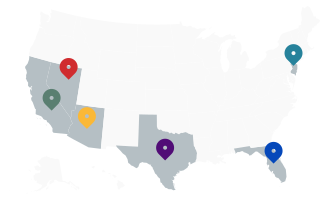
Addiction Treatment Centers
Opioid addition defined
Heroin and various pharmaceutical painkillers, such as oxycodone, hydrocodone, morphine, and codeine, belong to the opioid class of medications. In 2017, the estimated number of individuals with an opioid use disorder (OUD) reached 201 million. Of these, 1.7 million people were addicted to prescription opioids, and nearly 700,000 struggled with heroin addiction.
Commonly Abused Prescription Opioids:
Some prescription opioids are prone to illegal use despite their intended therapeutic purposes. These include:
- Hydrocodone (Norco, Vicodin): Used to manage moderate pain resulting from surgeries or injuries.
- Oxycodone (OxyContin, Percocet): Available in controlled- and immediate-release formulations, used for moderate to severe pain. Slightly more potent than hydrocodone.
- Morphine (Kadian, MS Contin): Used to treat moderate to severe pain that persists for an extended period.
- Codeine: A pain reliever and cough suppressant.
- Pharmaceutical fentanyl: Used to treat moderate to severe pain, including breakthrough cancer pain.
Identification of Opioid Use Disorder by Symptoms:
Opioid use disorder or opioid addiction is identified through various signs, behavioral characteristics, and diagnostic criteria. Some of these include:
- Developing opioid tolerance, requiring higher doses for the desired effect.
- Experiencing withdrawal symptoms when abruptly stopping or reducing the dosage.
- Using opioids for longer periods or in higher quantities than intended.
- Difficulty cutting back on opioid use.
- Spending excessive time seeking, using, or recovering from opioid effects.
- Strong urges to use opioids.
- Neglecting social, recreational, or professional activities due to opioid use.
- Using opioids despite knowing the negative impact on physical or mental health.
Additional indications of potentially harmful opioid use include:
- Slow or shallow breathing.
- Drowsiness.
- Lack of cooperation.
- Unsteady speech.
- Impaired decision-making.
- Neglecting responsibilities.
- Irritability.
- Depression.
- Sleep disturbances.
Visit Our “Am I a Drug Addict?” Page for Opioid Self-Evaluation:
If you suspect you or a loved one may be struggling with opioid addiction, please take our free, 5-minute “Am I an Opioid Addict?” self-assessment. This evaluation consists of eleven yes or no questions designed to gather information about the likelihood and severity of a substance use disorder. The exam is confidential, requires no personal information, and is free of charge.
Utilizing a Rehab Facility for Opioid Addiction Treatment:
The development of an opioid use disorder often stems from the misuse of prescribed opioids. If left untreated, individuals with OUD may continue to abuse opioids despite worsening health problems and difficulties in fulfilling obligations at work, school, and home.
Rehabilitation and treatment are beneficial for those who engage in obsessive opioid use. Medical detoxification and withdrawal management are often the initial steps before rehabilitation. These measures help individuals with significant physical opioid dependence to navigate withdrawal symptoms more comfortably. Some withdrawal symptoms include strong urges, vomiting, diarrhea, sleeping difficulties, sweating, chills, and bone and muscle discomfort.
Individuals with severe opioid addictions often seek recovery assistance through inpatient therapy. In many cases, effective withdrawal management is followed by medical detox to prepare patients for comprehensive rehabilitation. Inpatient or residential treatment provides a secure and supportive environment that restricts access to opioids and other substances while minimizing the stress faced by individuals in recovery.
Opioid Rehab Programs: Inpatient vs. Outpatient:
Opioid recovery programs can be conducted in outpatient settings, outside of hospitals or residential facilities. Our inpatient facility offers on-site care provided by experienced medical professionals around the clock.
For the best rehab facilities, contact us. We will guide you to an expert who can provide day or evening treatment for substance abuse through intensive outpatient programs (IOPs), partial hospitalization programs (PHPs)/day programs, and other outpatient substance misuse programs. The duration of treatment may vary depending on the program, but patients return home at the end of each day.
Inpatient programs often cost more than outpatient programs due to limited availability, higher staff involvement, additional amenities for residents, and round-the-clock treatment and supervision.
Treatment Process for Opioid Addiction:
While therapeutic options may differ across programs, both inpatient and outpatient opioid addiction treatment typically involve the following steps:
- Admission: Experts in addiction treatment assess individuals’ needs, considering medical and mental health requirements, personal difficulties, and treatment goals. A treatment plan is developed based on the patient’s background and substance use history. At this stage, program guidelines, privacy policies, and options for sharing progress with family or friends are discussed.
- Drug-assisted therapy and detoxification: Acute opioid withdrawal can be unpleasant and challenging. Under medical supervision, detoxification can be safer and more comfortable. Various medications can be used to manage withdrawal symptoms, and some may be used for long-term maintenance and rehabilitation. These medications help reduce withdrawal symptoms, control cravings, and lower the risk of relapse.
- Addiction treatment: Individual and group therapy sessions are conducted, often supplemented by prescription medications. Therapeutic interventions typically include evidence-based methods such as cognitive-behavioral therapy.
- Comprehensive care: Treatment plans are personalized to address individual needs and circumstances. This may include additional medical care, job counseling, or specific therapies tailored to ongoing medical conditions.
- Aftercare: Recovery continues after completing a rehab program. An aftercare plan is created, which may involve attending group counseling sessions, individual therapy, and 12-step meetings like Narcotics Anonymous. Ongoing support enhances the recovery process.
Medication-Assisted Treatment for Opioid Addiction:
Withdrawal symptoms during opioid detoxification can be uncomfortable. Medications prescribed by specialists can help alleviate these symptoms and assist in maintaining abstinence. Some examples of opioid addiction treatment drugs are:
- Methadone: A full opioid agonist used as part of medication-assisted treatment (MAT) for opioid addiction. Administered in certified opioid treatment programs.
- Buprenorphine: A partial opioid agonist used in MAT to treat opioid use disorder. Reduces withdrawal symptoms and cravings. When combined with naloxone (Suboxone), it reduces the risk of misuse.
- Naltrexone: Used in MAT for opioid and alcohol use disorders. Inhibits opioid receptors, reducing the rewarding effects of opioids.
These medications help individuals comfortably undergo detox and avoid relapsing into opioid use.
Duration of Opioid Rehabilitation:
In addition to the typical 28–30 day inpatient programs, longer durations of care (60 or 90 days or more) are available based on the severity of opioid dependence and individual needs. Assessing these factors, rehab facility staff will recommend a treatment period that suits the patient’s requirements and budget. Outpatient recovery programs can be continued after completing inpatient care.
What to Look for in an Opioid Treatment Program:
Different rehab centers offer varying levels of care. When selecting a program, it’s important to consider the following characteristics:
- Use of research-based therapeutic strategies.
- Proper certifications and permits.
- Staff members with relevant certifications and education.
- Customized treatment programs.
- Integration of mental health treatments with addiction therapy.
- Research assessing program efficacy.
- Low staff-to-patient ratio.
- Aftercare planning and ongoing support.
Cost of Opioid Rehabilitation:
Opioid rehab centers have their own fee structures, and health insurance can cover part or all of the expenses. Before entering a treatment facility, carefully review your insurance coverage and contact your provider. Some facilities may offer financing options, sliding scale payment schedules, or payment plans.
While costs vary across programs, a 7-day detox typically ranges from $4,000 to $7,000. Inpatient care can cost between $14,000 and $58,000, depending on program length, amenities, and services provided. Intensive outpatient programs (IOPs) can range from $3,500 to $5,000 weekly.
Finding a Local Opioid Rehab Center:
When searching for the best inpatient opioid rehab center nearby, consider factors such as location, insurance coverage, cost, staff qualifications, accreditation, and treatment philosophies. Inquire about specific facility accreditations, therapy options, and success rates to select a program that aligns with your recovery needs.
If you prefer to leave your hometown, we can recommend nearby opioid rehab treatment facilities. Staying close may be preferable if you have strong support from family and friends. Our experts can guide you in finding a drug treatment facility that works with your insurance, whether you choose local or out-of-state treatment for opioid addiction.
FAQs About Rehab for Opioid Addicition
What’s the difference between inpatient and outpatient opioid rehab programs?
Inpatient rehab provides a controlled environment with round-the-clock care, while outpatient programs allow patients to return home at the end of each day, receiving treatment in settings outside of hospitals or residential facilities.
What does the treatment process for opioid addiction typically involve?
The treatment process typically involves admission and assessment, drug-assisted therapy and detoxification, individual/group therapy sessions, comprehensive care tailored to individual needs, and aftercare plans for continued support after the rehab program.
How long does a typical opioid rehabilitation program last?
While typical inpatient programs last 28–30 days, the duration can extend to 60 or 90 days or more depending on the severity of the addiction and individual needs. Outpatient programs can continue after completing inpatient care.
How much does opioid rehabilitation typically cost, and will my insurance cover it?
Costs vary across programs, with a 7-day detox ranging from $4,000 to $7,000, inpatient care costing between $14,000 and $58,000, and intensive outpatient programs costing $3,500 to $5,000 weekly. Insurance may cover part or all of these expenses.
Check to see if your insurance is in-network at any of our Addiction Centers
- We will conduct an immediate verification of the coverage provided by your insurance provider.
- As a result, you may be eligible for treatment at one of our facilities with a discounted rate.
This form is protected by reCAPTCHA and the Google Privacy Policy
and Terms of Service
apply.

Lifeline Connections
2105 Continental Pl suite a Mount Vernon WA 98273
No rating to display
Addiction treatment center

Wilmington VA Medical Center
1601 Kirkwood Hwy Wilmington DE 19805
Medical Center
Veterans hospital

Preferred Family Healthcare
900 E La Harpe St Kirksville MO 63501
Addiction treatment center
Mental health clinic
Mental health service

Northlake Behavioral Health System
23455 Sparrow Rd Mandeville LA 70448
Psychiatric hospital
Addiction treatment center
Alcoholism treatment program
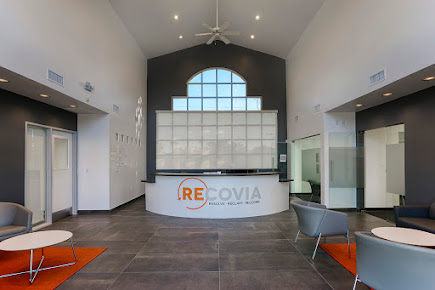
Recovia Tempe
1910 E Southern Ave Tempe AZ 85282
Pain control clinic
Addiction treatment center
Counselor
Mental health service

Mobile Metro Treatment Center
1924 Dauphin Island Pkwy Mobile AL 36605
Addiction treatment center
Mental health clinic
Pharmacy
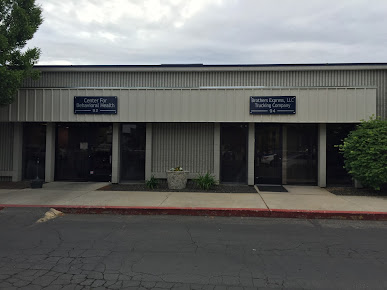
Center for Behavioral Health
92 S Cole Rd Boise ID 83709
Addiction treatment center
Serenity Health LLC
780 W Bel Air Ave B Aberdeen MD 21001
Addiction treatment center

Sundown Ranch Inc.
3120 Co Rd 2318 Ste 100 Canton TX 75103
Addiction treatment center
Mental health service
Psychiatrist
Psychologist
Anchor of Hope Opioid Treatment Program
2307 Springlake Rd Suite 500 Farmers Branch TX 75234
Addiction treatment center
Medical clinic
Mental health clinic
Rehabilitation center

Endeavor House North
206 Bergen Ave Kearny NJ 07032
Addiction treatment center
Alcoholism treatment program
Care services
Home health care service

Meridian Levy County Clinic
103 NE 1st St Chiefland FL 32626
Mental health clinic

Nexus Recovery
8733 La Prada Dr Dallas TX 75228
Addiction treatment center
Alcoholism treatment program
Rehabilitation center

Eldorado Community Services Center
5200 San Gabriel Pl Suite C Pico Rivera CA 90660
No rating to display
Medical clinic
Addiction treatment center
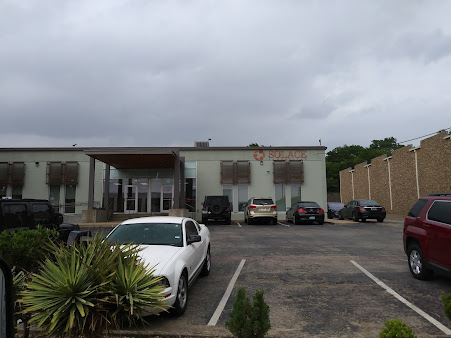
Solace Counseling
1475 Prudential Dr Dallas TX 75235
Mental health clinic
Addiction treatment center
Care services
Counselor

Brighter Mission
2100 Plymouth Ave N Minneapolis MN 55411
No rating to display
Home health care service
Addiction treatment center

Lafayette Medical Approach
233 Lafayette St New York NY 10012
Addiction treatment center
Medical clinic

Compass Health
1010 Remington Plaza Raymore MO 64083
No rating to display
Medical clinic

JEM Treatment Inc
2424 Washington St Waukegan IL 60085
Addiction treatment center

Bliss-Poston The Second Wind
928 Broadway #705 New York NY 10010
No rating to display
Psychotherapist
Opioid Treatment Facilities Nationwide
We can help you find the care you need to get clean and stay sober.
View All Facilities